

Beyond the Label: The Ultimate Guide to Leather Types and Hides
Walk into any department store and you'll see "Genuine Leather" stamped on everything from wallets to sofas. It sounds premium, right? Here's the truth: that label is often a marketing trick for the lowest quality leather legally allowed to be called "leather." If you want a bag or belt that lasts decades, not seasons, you need to know what's actually under the label.
This is your no-nonsense guide to leather types, animal hides, and the processing grades that separate heirloom-quality pieces from stuff that'll crack and peel in two years. Whether you're shopping for a full grain leather bag or just trying to understand why some leather costs $50 and some costs $500, this breakdown will make you the most informed person in the room.
The Animal Hides That Matter
Not all leather comes from the same place, and the animal source dramatically changes the leather's character, durability, and best use. Here are the main players:
Bovine (Cowhide): The Gold Standard
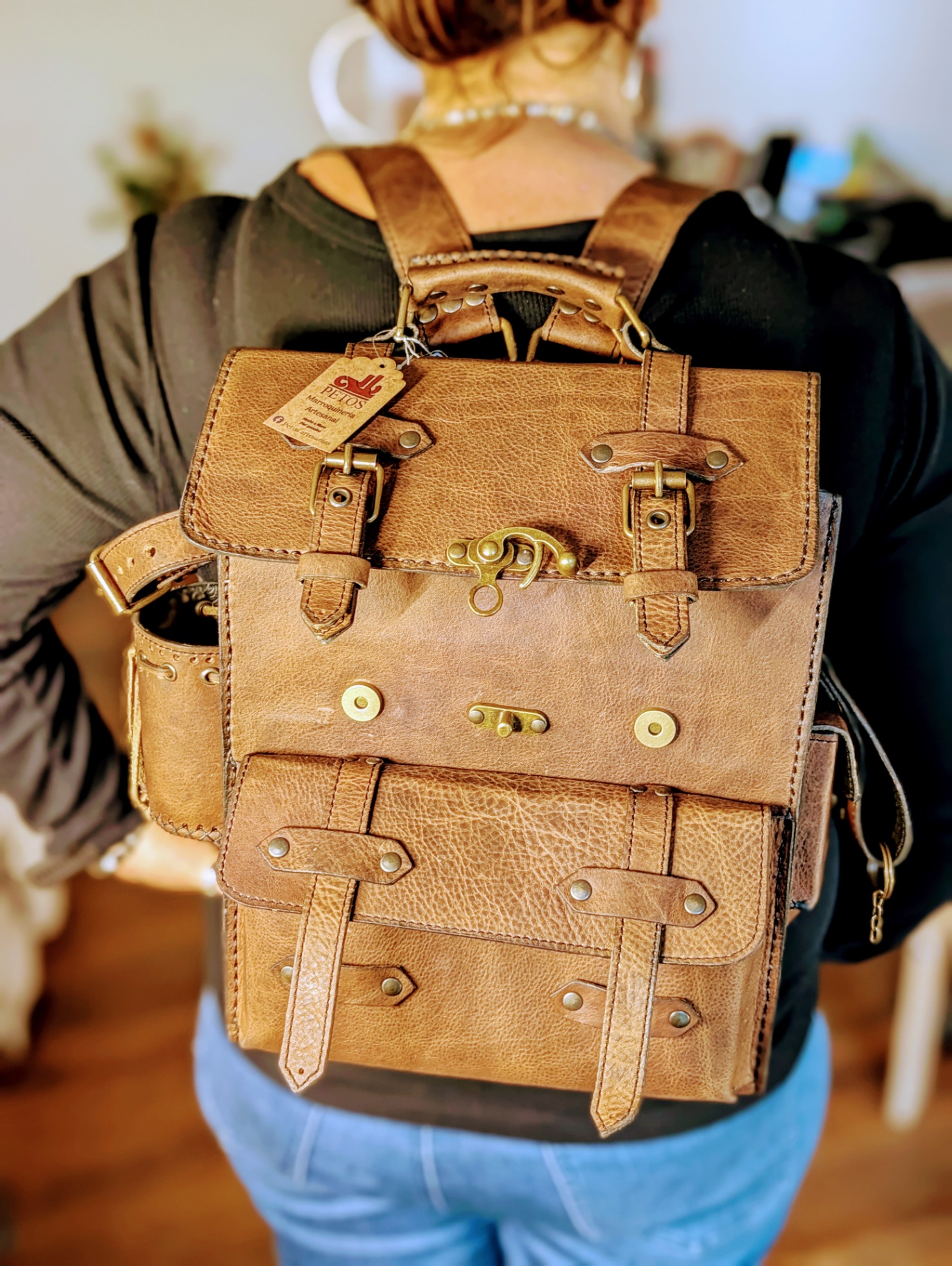
Cowhide is the workhorse of quality leather. It's thick, strong, and built to handle daily abuse without falling apart. When you see a hand stitched leather bag that's been used hard for 20 years and still looks incredible, it's almost always bovine leather.
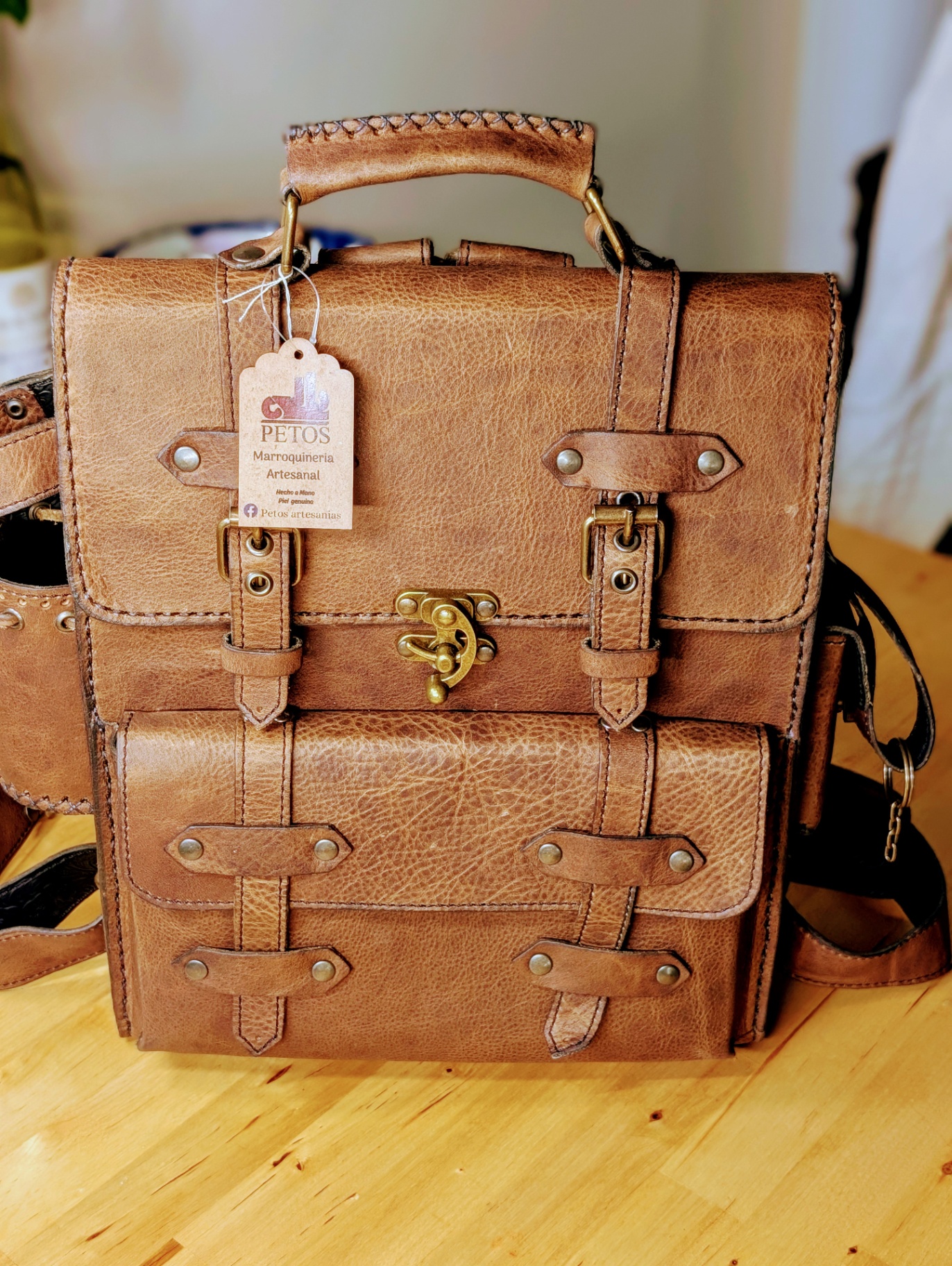
Why cowhide wins: It has a tight grain structure, natural durability, and the thickness to hold heavy stitching and hardware without tearing. It's the reason our bags, like the rugged, go-anywhere pieces in our shop, can be loaded up, tossed in overhead bins, and still come out looking better with age.
Looking for that lifetime durability? Check out our collection of handmade leather bags crafted from premium bovine hide, the kind that gets better, not worse, over time.
Buffalo: Rugged and Textured
Buffalo leather is thicker and grainier than cowhide, it's the leather equivalent of a well-worn pair of work boots. It has a naturally rugged look with visible grain patterns and a slightly coarser feel. If you want that "Indiana Jones" aesthetic, buffalo delivers.
The tradeoff? It's heavier and stiffer, which makes it less ideal for bags that need to soften quickly or fold easily. But for belts, satchels, or anything that benefits from a tough, textured vibe, buffalo is unbeatable.
Sheep and Goat: Soft but Not Built for Battle
Sheepskin and goatskin are buttery soft and lightweight, perfect for jackets, gloves, and clothing where flexibility matters more than raw strength. Goatskin has a bit more durability and natural elasticity, while sheepskin is prized for its fine texture and warmth.
But here's the reality: neither is tough enough for a daily-use rucksack or a belt that'll survive years of buckle stress. They're great for fashion, not for hauling gear or standing up to serious wear.
Pigskin: The Practical Liner
Pigskin has a distinct look, you can actually see the pores where the hair follicles were. It's durable enough, and it's often used for linings or less expensive goods. It's not as "premium" looking on the outside, which is why you'll rarely see it as the main material on high-end bags.
That said, pigskin linings are practical, they breathe well and hold up under friction. It's a smart choice for the interior of a bag where looks matter less than function.
The Processing Grades: Where Quality Is Actually Decided
Here's where things get interesting, and where most brands try to trick you. The animal source matters, but how the hide is processed determines whether your leather will age like fine wine or fall apart like cheap cardboard.
Full-Grain Leather: The Unfiltered Truth
Full-grain leather is the top layer of the hide, untouched, unsanded, and completely natural. It keeps all the original grain, texture, and "imperfections" that make real leather, well, real. Those natural marks? They're not flaws, they're proof you're holding the strongest part of the hide.
Why full-grain is worth it:
- It breathes. The natural pores stay open, so the leather doesn't trap moisture or crack from the inside.
- It develops patina. Over time, full-grain darkens, softens, and takes on the story of your life, scratches, oils from your hands, sunlight exposure, all of it adds character.
- It lasts. We're talking 20+ years of hard use. This is heirloom-quality leather.
Every piece we make, from our distressed leather crossbody bags to our hand-stitched belts, is crafted from 100% full-grain bovine leather. No sanding. No synthetic coatings. Just leather the way it's meant to be.
Corrected Grain: The Cover-Up Job
Corrected grain leather starts as a lower-quality hide, one with too many scars, bug bites, or inconsistent texture to sell as full-grain. So manufacturers sand down the surface, buff out the "imperfections," and stamp a fake grain pattern on top. Then they coat it in pigment or polyurethane to make it look uniform and perfect.
The result? Leather that looks flawless in the store but doesn't age well. The coating blocks the pores, so it can't breathe. It won't develop patina. And after a few years, that top layer starts to crack and peel.
Corrected grain is fine for formal shoes or budget goods, but if you want a fair trade leather bag that tells a story and gets better with time, skip it.
Split Leather: The Bottom of the Barrel
When a hide is too thick, it gets sliced horizontally. The top layer (with the grain) becomes full-grain or top-grain leather. The bottom layer, looser, fuzzier, and weaker, becomes split leather.
Split leather is often used for suede (which is soft and textured but not very durable). Sometimes it's coated in plastic or polyurethane to mimic real leather, which is where you get those cheap "bonded leather" products that disintegrate after a year.
If durability matters to you, and it should, avoid split leather for bags, belts, or anything that sees daily use.
Why "Distressed" Is a Feature, Not a Flaw
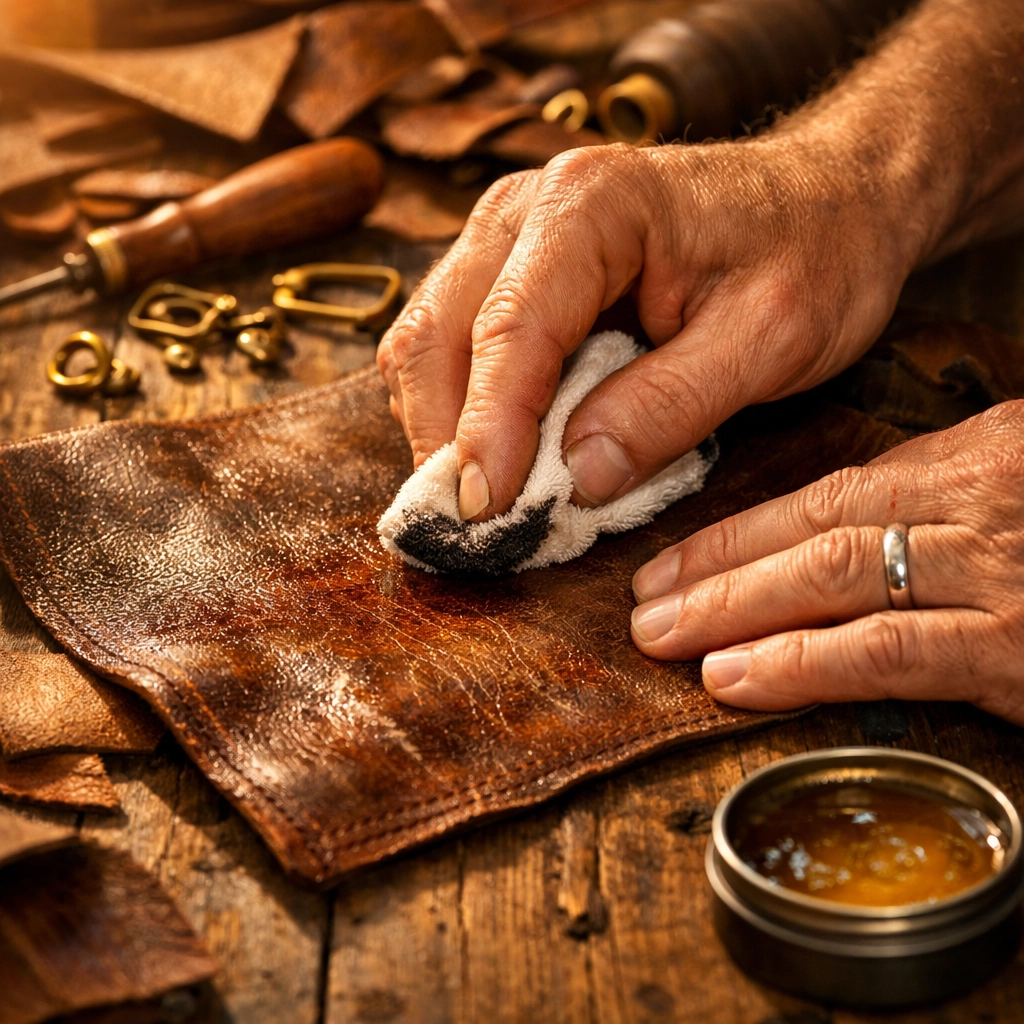
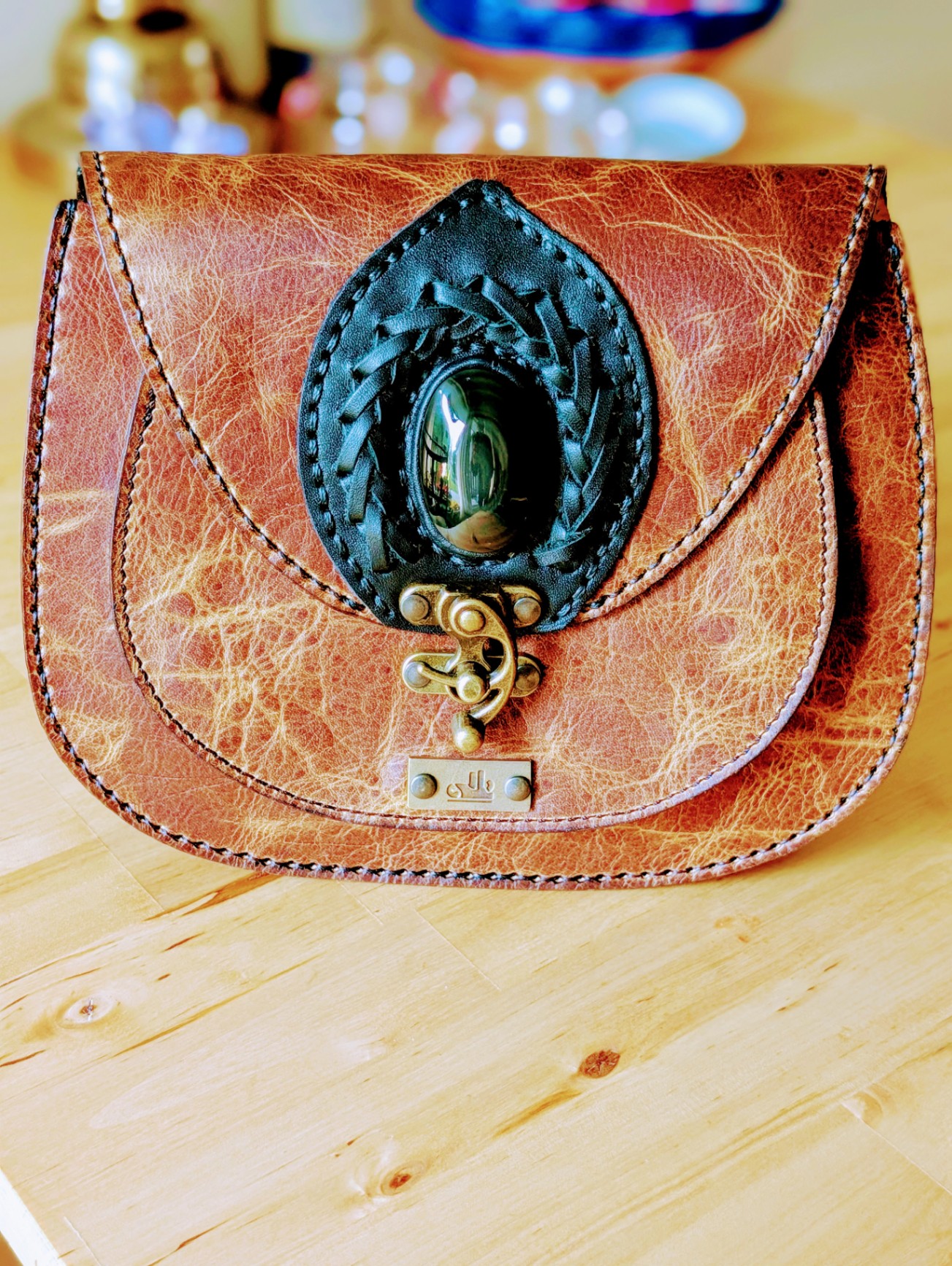
You'll hear the term "distressed leather" thrown around, and some people assume it means "damaged." It doesn't. Distressed leather is full-grain leather that's been treated with oils and waxes to give it a lived-in, slightly weathered look from day one.
Why it matters:
- It hides new scratches. Because the leather already has texture and variation, daily wear blends in instead of standing out.
- It accelerates patina. The oils and waxes help the leather darken and soften faster, so you get that "vintage" look without waiting 10 years.
- It celebrates authenticity. Distressed leather doesn't pretend to be perfect, it embraces the natural character of the hide.
Our artisans in central Mexico hand-finish every piece with traditional distressing techniques, so your bag looks like it's already traveled the world, even on day one. And trust us, it only gets better from there.
Ready to see distressed leather in action? Browse our handcrafted crossbody bags, each one is unique, and each one gets better with every mile.
The Quick Reference: Leather Types at a Glance
| Leather Type | Durability | Best For | Patina? | Price Range |
|---|---|---|---|---|
| Full-Grain Bovine | Excellent (20+ years) | Bags, belts, wallets | Yes, rich, natural aging | $$$ |
| Buffalo | Excellent | Rugged bags, belts | Yes, textured patina | $$$ |
| Corrected Grain | Moderate (5-10 years) | Formal shoes, budget goods | No: coating blocks aging | $$ |
| Split Leather | Low (2-5 years) | Suede, linings | Limited | $ |
| Sheep/Goat | Moderate | Jackets, gloves, soft goods | Limited | $$ |
| Pigskin | Moderate | Linings, casual goods | Limited | $ |
The Bottom Line: Choose Leather That Lasts
If you want a full grain leather bag that becomes part of your daily life: one that softens in the right places, darkens where your hands touch it, and tells the story of everywhere you've been: don't settle for "Genuine Leather" or corrected grain.
Choose full-grain bovine. Choose hand-stitched construction. And choose artisans who care more about quality than mass production.
Every piece we make is crafted by skilled leatherworkers in small workshops in central Mexico, using traditional techniques and fair trade practices that support their families and communities. No assembly lines. No shortcuts. Just honest craftsmanship that's built to last.
Shop our full collection of fair trade leather goods and find a piece that'll still be telling your story 20 years from now.
